Retail Harmony: Shop Tycoon
Reviews
Retail Harmony: Shop Tycoon stands out for its calm approach to business management. The idle mechanics let players progress without constant attention, while the inventory choices provide genuine strategic depth. The cheerful visuals and simple controls make it accessible to all ages. It avoids the stress of typical tycoon games, offering a relaxing yet rewarding experience. Ideal for anyone who enjoys thoughtful planning without pressure.
Description
Peaceful Store Management
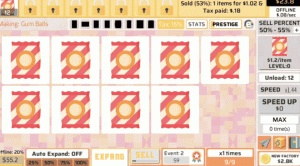
Retail Harmony: Shop Tycoon focuses on the gentle art of running a small retail space. Players choose products like snacks and drinks to place on shelves, then watch as customers arrive to make purchases. The core loop is straightforward: stock items, earn revenue, and reinvest profits. There are no timers or penalties for mistakes, so every decision feels low-pressure. The game naturally introduces concepts like supply and demand without requiring any prior business knowledge.
Idle Progress System
A key feature is the idle mechanic that keeps the store operating even when the app is closed. Players can step away for hours or days and return to find accumulated earnings waiting. This makes the game suitable for both quick check-ins and longer sessions. The idle system rewards consistent attention but never demands it, allowing players to progress at their own pace. Regular visits to collect profits and restock popular items keep the experience engaging without feeling like a chore.
Visual Charm and Accessibility
The bright, colorful art style creates an inviting atmosphere that appeals to all ages. Controls rely on simple drag-and-drop actions, making the game accessible to young players and those new to simulation games. There are no complex menus or confusing tutorials. Every action feels intuitive, from placing items on shelves to upgrading the store. The cheerful design reinforces the relaxing tone, making each session feel like a pleasant break rather than a demanding task.
Strategic Inventory Choices
Success depends on smart inventory management. Players must decide which products to stock based on customer demand and profit margins. Popular items sell quickly but may require frequent restocking, while niche products offer higher margins but slower turnover. Balancing these factors is the main strategic challenge. Over time, players learn to predict trends and adjust their product mix to maximize earnings. The game rewards thoughtful planning and patience rather than fast reflexes.
Gradual Store Expansion
As profits grow, players can unlock new product categories and upgrade their store. These improvements increase customer traffic and shelf capacity, leading to higher earnings. The progression feels natural, with each upgrade opening new possibilities without overwhelming the player. There are no sudden difficulty spikes or required purchases. Expansion is purely driven by the player's choices and available funds, creating a satisfying sense of accomplishment with each milestone reached.












Comments
0 comments